TW (trigger warning): suicidal thoughts, self-harm
Studies and surveys estimate the prevalence of Borderline Personality Disorder (BPD) to be 1.6% of the total population, with the first symptoms beginning in late adolescence or early adulthood. [1]
What do we mean by borderline?
BPD is a long-term condition characterized by intense emotions, low self-image, instability in interpersonal relationships, a constant sense of inner emptiness, impulsive behaviour, avoidance of abandonment from people close to them, self-harm and suicide attempts. [2], [3]
When and how do we get the diagnosis?
In general, personality disorders begin to be visible as early as adolescence and affect multiple areas of life: family, school, career, friends, relationships, etc. However, they are diagnosed from the age of 18 because adolescent personalities are considered to be still developing. [4], [5]
We spoke to two young women who were diagnosed with BPD in early adulthood, and they shared with us the difficulties they faced before and after their diagnosis. To maintain the anonymity of the interviewees, we use two fictitious names, Maria and Elena.
In 2020, at the age of 21, Maria was diagnosed. In hindsight, the symptoms of the disorder had started to appear as a teenager.
‘I had many very unstable relationships, I reacted horribly when the relationships ended or if there was even the slightest chance of breaking up. On numerous occasions I even threatened to hurt myself, had ugly jealous rages, etc.’
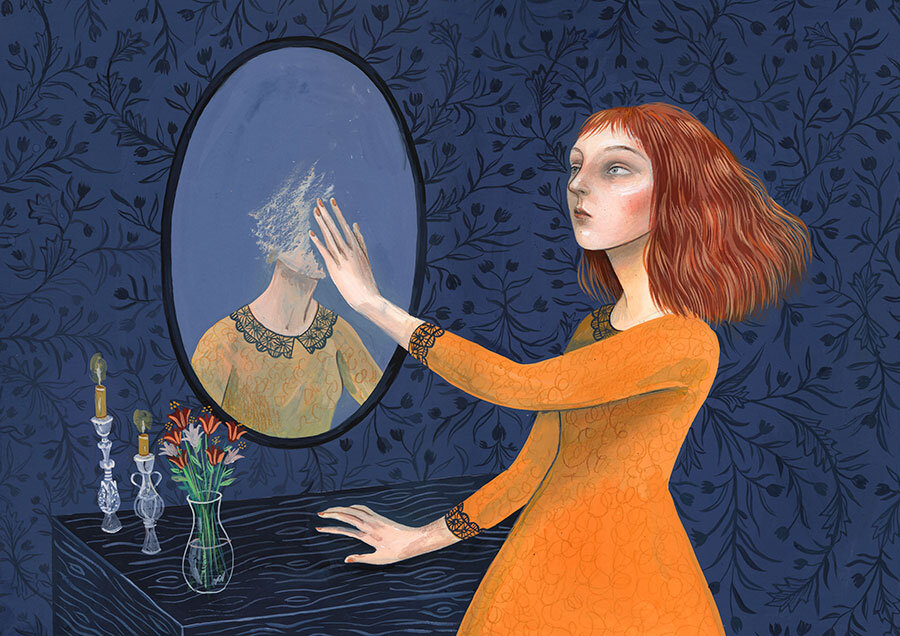
Her partners gave her an identity, and for this reason, she felt so empty when they left. The instability in her interpersonal relationships was also mirrored in the relationship with her mother, whom she saw sometimes as the best mother, and at other times as the worst. This type of extreme oscillation, between ‘the best’ and ‘the worst’, is known as splitting. Splitting is a common symptom among people with borderline and other mental disorders, influencing them to see the world in absolute terms of black and white.
© Helena Pérez García
At the suggestion of a friend who suspected she might have BPD, she sought the expertise of a specialist. Receiving the diagnosis felt like a release; her problems finally had a name, but that did not mean they were solved.
Currently, Maria feels lost because she always planned to take her own life and never thought she would make it this far. The way she perceives herself changes drastically every few days (sometimes even more frequently), and her emotional state changes abruptly at the slightest thing. She is always looking for something to bring her pleasure, but she never manages to fill the void inside.
Unlike Maria, Elena was attending psychology faculty, where she had the opportunity to learn more about personality disorders at a theoretical level. After reading the borderline symptoms in the DSM (Diagnostic and Statistical Manual of Mental Disorders), she suspected, just like Maria, that something was wrong. It was hard for her to open up the subject to other people, to talk about her concerns, as borderline at a public level was associated with ‘parasuicidal’ behaviours, and her type is a quiet one.
‘Quiet borderline means suffering more in silence and maintaining appearances. People fail to understand how you can get frustrated by the simple fact that you didn’t clean a spoon well, and then start hating yourself because you didn’t do a trivial thing right. Many see it as an overreaction.’
Frequently, people diagnosed with BPD do not realise they have a medical problem and tend to blame themselves, and to cope with situations, they develop defence mechanisms. Maria had a long history of self-harm. She started hitting herself as early as 9-10 years old. At 11-12 years old, dissociative symptoms appeared and she would start to become delusional when subjected to high stress, sadness, or when receiving bad news. She had the feeling that her life was a nightmare and that she was going to wake up from it. She would slap and punch herself to wake up from that ‘nightmare’.
For Elena, borderline meant suffering in silence and pretending that nothing was really happening in your life. When she felt emotional pain, the defence mechanism she found, or refuge, was in daydreaming. She didn’t cut herself because she couldn’t hide her scars in the summer, but she realised she was living between two extremes: either she blamed herself, or someone else for the problems that appeared in her life. When she blamed herself, that’s when the self-harm would start. Sometimes she would hit herself against walls and end up no longer caring about the pain, as long as she got what she wanted.
What are the benefits of therapy after receiving a diagnosis?
Recent studies show that properly applied treatment reduces the symptoms of borderline personality disorder. Usually, the first treatment option, unlike other types of illnesses, is therapy. [6]
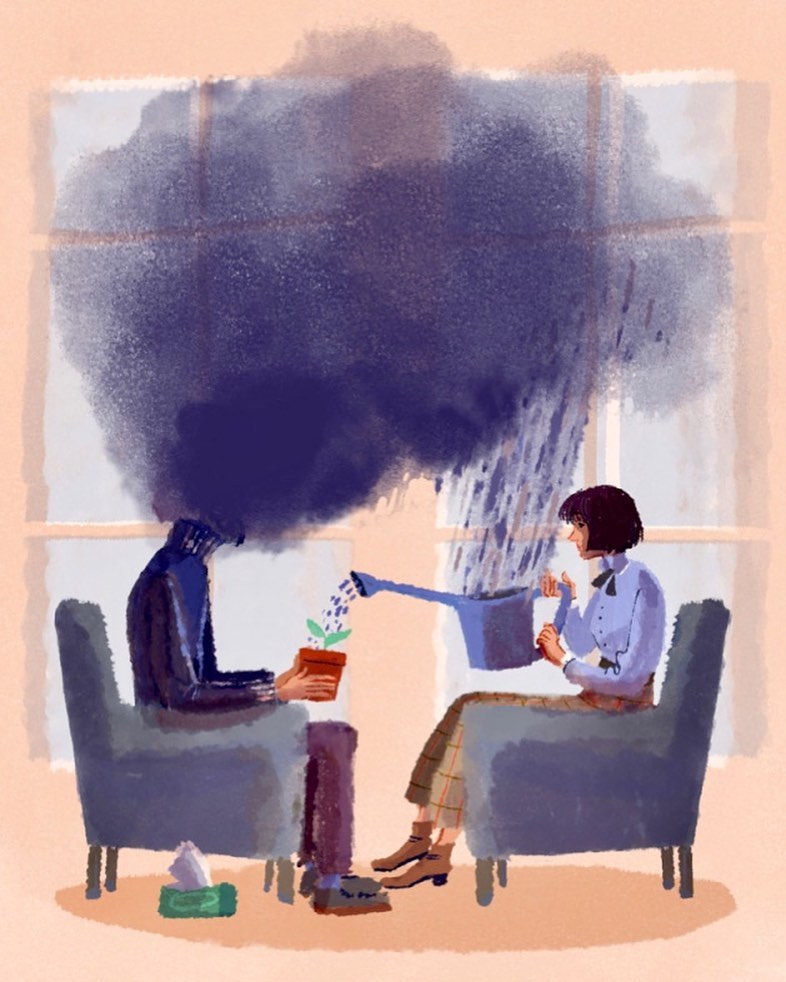
Both Maria and Elena sought the support of a psychotherapist in their process of regulating their inner balance. Over time, they noticed that therapy helps them have better control over their own thoughts and feelings, with the therapist helping them change certain attitudes and behaviours. The girls mentioned to us that returning to a balance is a difficult and arduous process. For example, during a conflict, they always insisted on tracking who the guilty person was and who was right, aspects that constantly caused them extreme feelings, such as agitation or grandiosity.
Most of the time, they were the problem that triggered the conflict, and psychotherapy came as a voice of reason to guide them in the recovery process and to help them much better manage the moments when the wound of abandonment opened.
Following the psychotherapy sessions, Elena learned a series of valuable lessons, and she shared three important ones with us: ‘you are the one who makes the choices in your life; blaming others doesn’t solve your problems, and wounds to one’s pride matter.’
Maria and Elena’s confessions offer us a much clearer look at how borderline can influence your life before and after receiving a diagnosis. Receiving a BPD diagnosis can be hard to digest at first, but over time it can become a release, as the problems you suffer from have a name and you can start with small but sure steps to work on them under the guidance of a psychotherapist, just as the interviewees succeeded in doing. And, don’t forget, try to be kind to yourself in this struggle!
© Ilaria Urbinati
In case you are wondering how you could help a person with BPD in turn, our article ‘Borderline – with one foot always at war’ offers some useful tips in this regard. Other resources you can use are: our discord server (an online space where you can talk about your mental health with diverse people, which also includes a channel with discussions about personality disorders), Borderline Romania (a Facebook community dedicated to people with BPD), the ‘Borderline’ episode of the În ritmul meu podcast and Psych2Go (a YouTube channel where you can watch animations about borderline: ‘7 Hidden Signs of Borderline Personality Disorder’ or ‘9 Things About Borderline Personality Disorder You Need to Know’).
Sources used:
[1] Borderline Personality Disorder
[2] Borderline Personality Disorder Facts and Statistics
[3] History of the Term ‘Borderline’ in Borderline Personality Disorder
[4] What are Personality Disorders?
[5] Borderline – with one foot always at war
[6] Treating BPD
[7] Treatment – Borderline personality disorder
*Daydreaming = waking dreams or fanciful thoughts, apparently aimless, which satisfy the individual’s desires and expectations in the realm of imagination.
*Splitting = is a term used in psychiatry to describe a person’s inability to have opposing thoughts, feelings, or beliefs. Some might say the person sees the world in terms of black and white, all or nothing.
*Parasuicide = a series of self-harming behaviours, which may or may not be intended to result in death.
*Major Depressive Disorder (DSM-IV-TR and DSM-5) = a disorder characterized by constant sadness or a major depressive episode, without being accompanied by episodes of mania or hypomania.