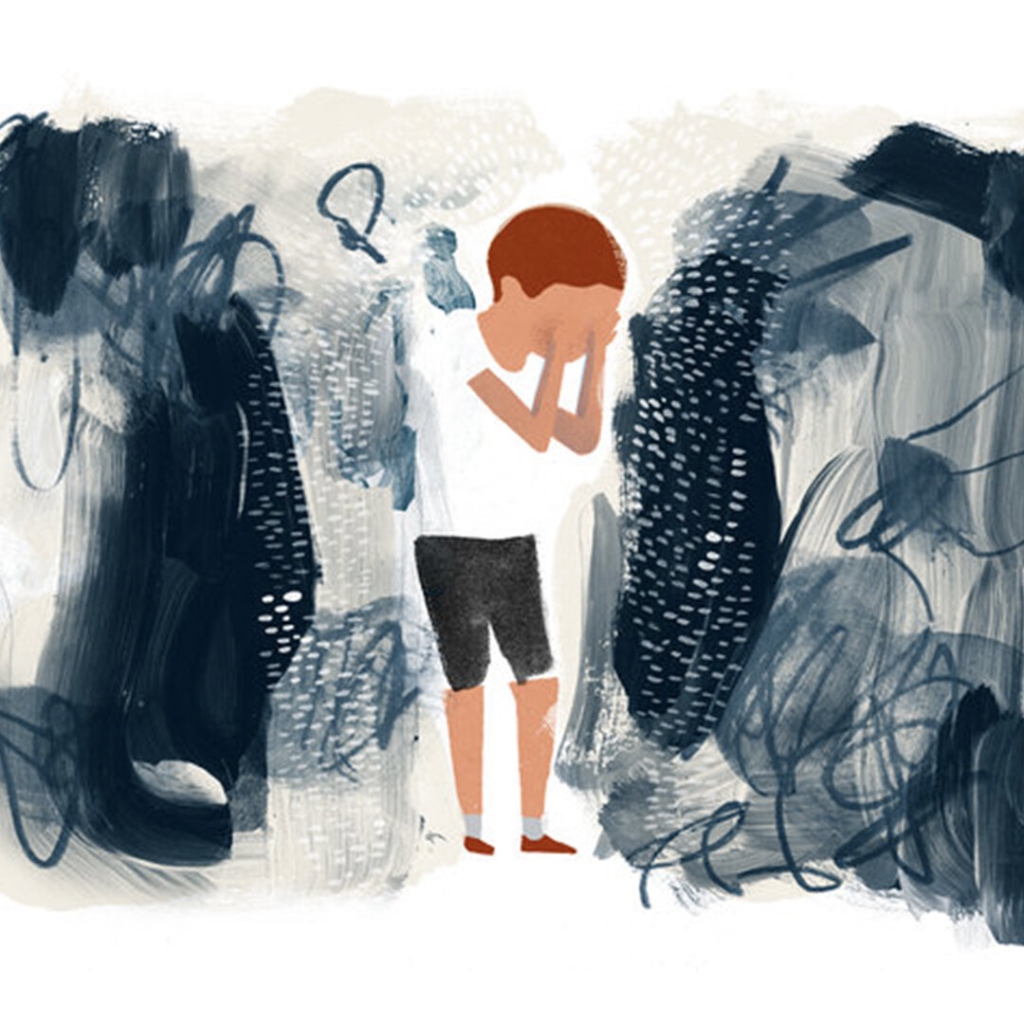
“Even if it’s difficult to resist parental pressure, lack (or excess!) of affection and the inability to bond with your parents, it’s important not to get caught in the middle!”
When the term ‘toxic relationship’ is mentioned, we tend to think of the misunderstandings and pressures that can arise in a couple. In reality, toxic relationships are present in many people’s lives, even within the family or between friends.
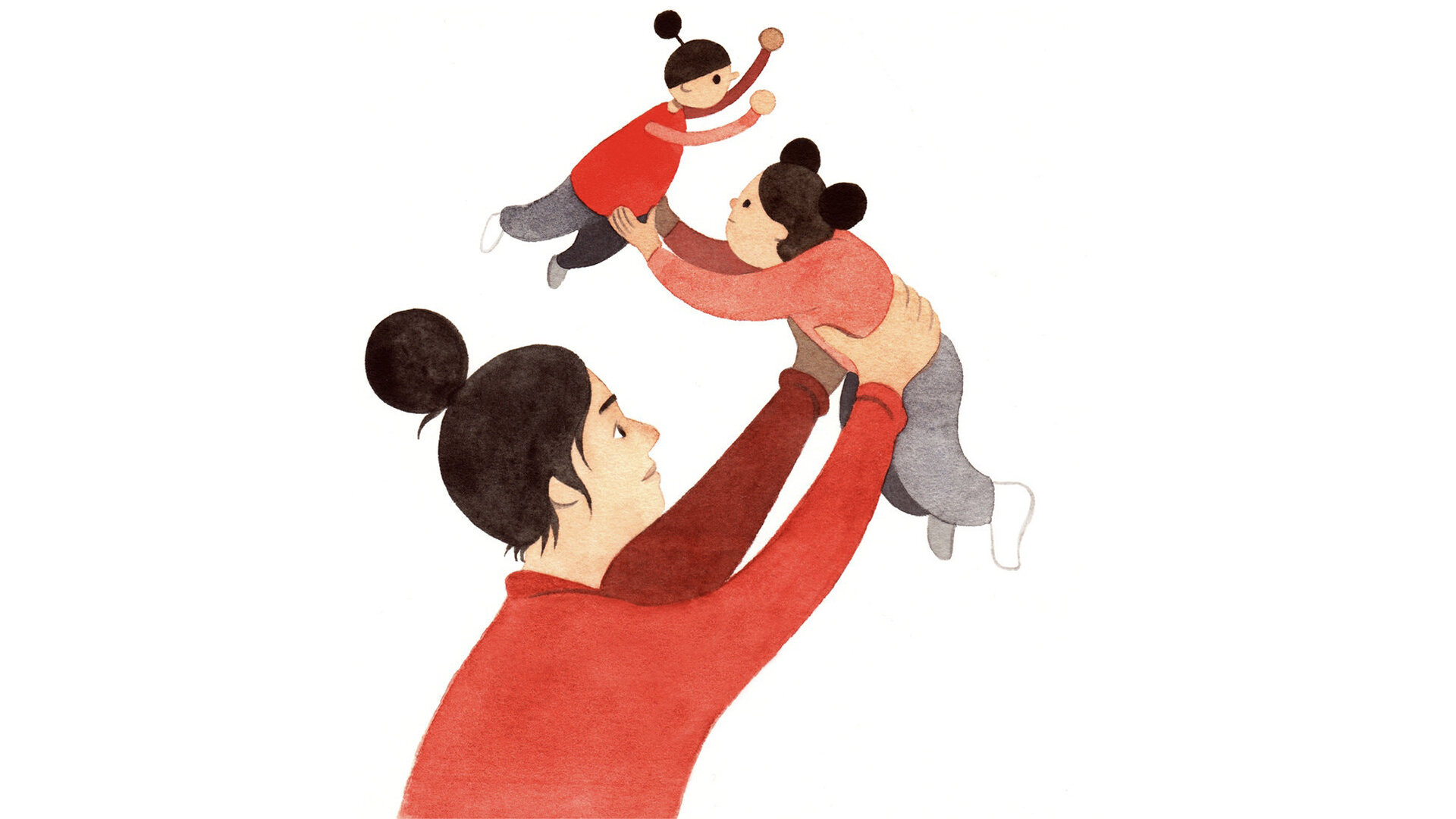
From early childhood, there is a risk of being exposed to a family environment that is not exactly suitable. Whether it’s misunderstandings between parents, or a desire to provide a child with an education that aspires to perfection, a toxic parent or guardian inevitably influences their children, with repercussions even into adulthood. But what’s the difference between firmness and toxicity when it comes to family and friends?
© Eleni Kalorkoti
The abusive parent
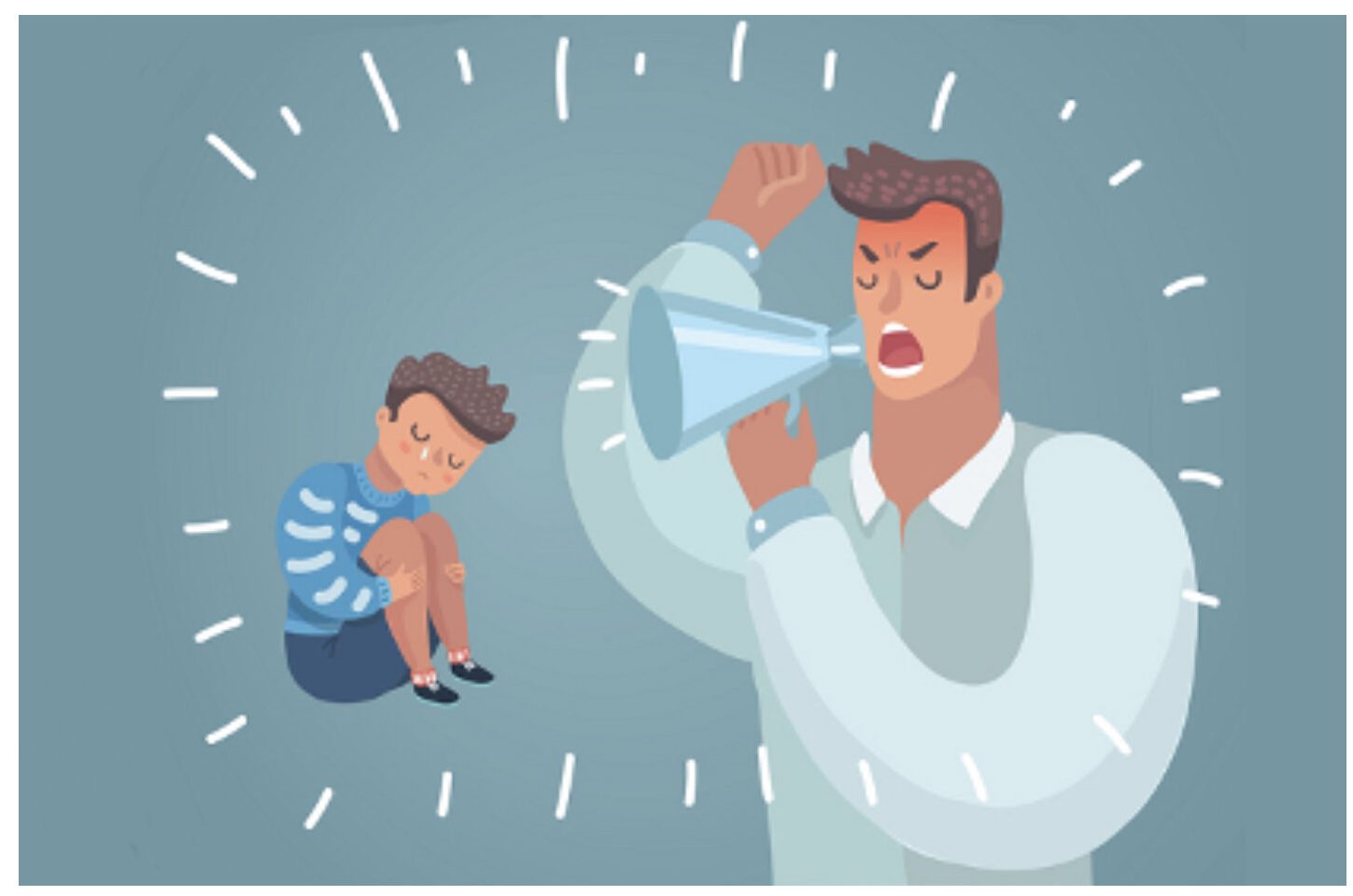
Such a situation is easiest to spot with “the naked eye”. The cause of such behaviour can be an addiction, a personal frustration, or even a mental disorder. Abuse can take many forms, not just physical. Verbal or behavioural abuse directed at another parent or family member causes “silent suffering” for the child, who is caught in the middle and is forced to watch the abusive scenes in silence, afraid to intervene in any way.
The future adult develops a pronounced distrust in themselves and in others. He finds it very difficult to get attached to strangers or make friends. It is normal that, once subjected to a defective parental relationship, he is afraid of closeness in a couple relationship. Affection is his number one need and he will try to seek it in any type of relationship, romantic or not.
Although it is the most visible form of toxic parental relationship, it is also the one where it is hardest to intervene. If you suspect such a case in your circle of acquaintances, first make sure the victim does not lose themselves. There is also a second extreme of emotional impact. Children can be wrongly sent the message that through threats and excessive control they can get what they want. In this case, they become aggressive in turn and perpetuate the cycle of domestic abuse.
Help your fellow human in this situation by listening to them constantly and encouraging them to talk to you, or to specialists they can contact through special helplines. From our research, in Romania the only line intended exclusively for children is Telefonul Copilului (Child Helpline). If circumstances worsen, do not forget that domestic violence constitutes a crime, and must always be reported!
The discouraging parent
© Francesco Zorzi
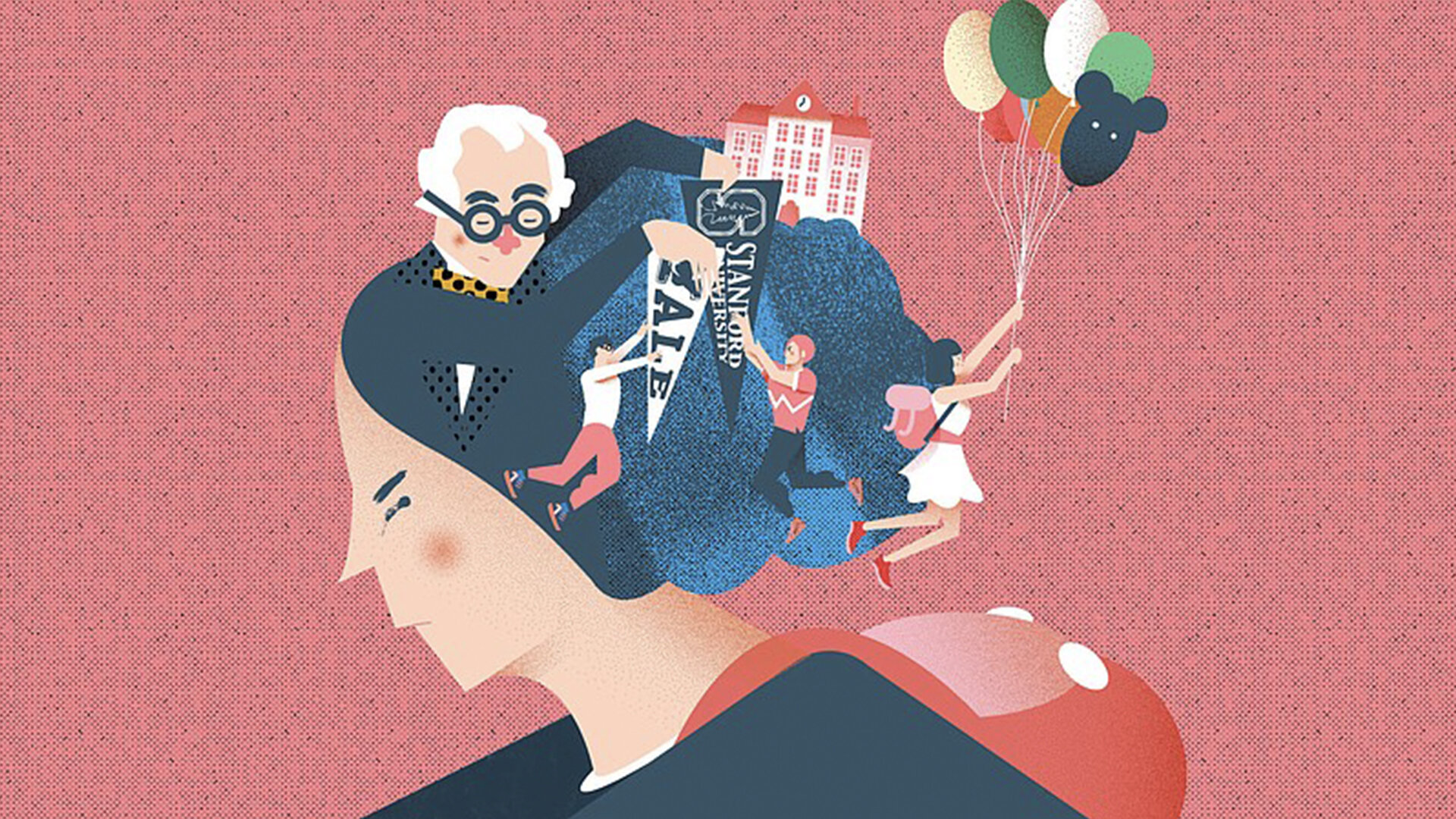
Often, such parents have (very) high expectations of their children, out of a desire for them to excel in various fields. They try to instill passions in them and provide them with a well-rounded education, only to later force their children to follow the path dictated by them in life. Although at first glance such parents might not be labelled as toxic, their relationship with their children is felt differently: as a strictly professional relationship.
Neither the parent nor the child knows what topics of discussion to approach in their conversations, or they focus strictly on self-development. They are educated through constant comparison with others, starting from school age, or, if the parents’ influence extends into adulthood, even with other work colleagues. Discouraging remarks such as “How can your classmate get higher marks?”, “You’re good for nothing, you do nothing all day!” can degenerate over time into negative and repetitive remarks about physical appearance.
These children gradually lose self-confidence and end up doubting their own qualities. They are subjected to constant pressure, and their lives resemble a competition too much. The chances of feeling depressed and unsure of themselves or their desires for the future are high. From the fear of confronting their parents arises the difficulty of supporting their own opinions and coming up with arguments that cannot be easily dismantled.
It is important to realise, if you or someone close to you is in such a situation, that it is okay to “waste time” occasionally, and that life does not necessarily have to be planned point by point.
© @cosmaa on gettyimages
The ‘strict’ (anxious) parent
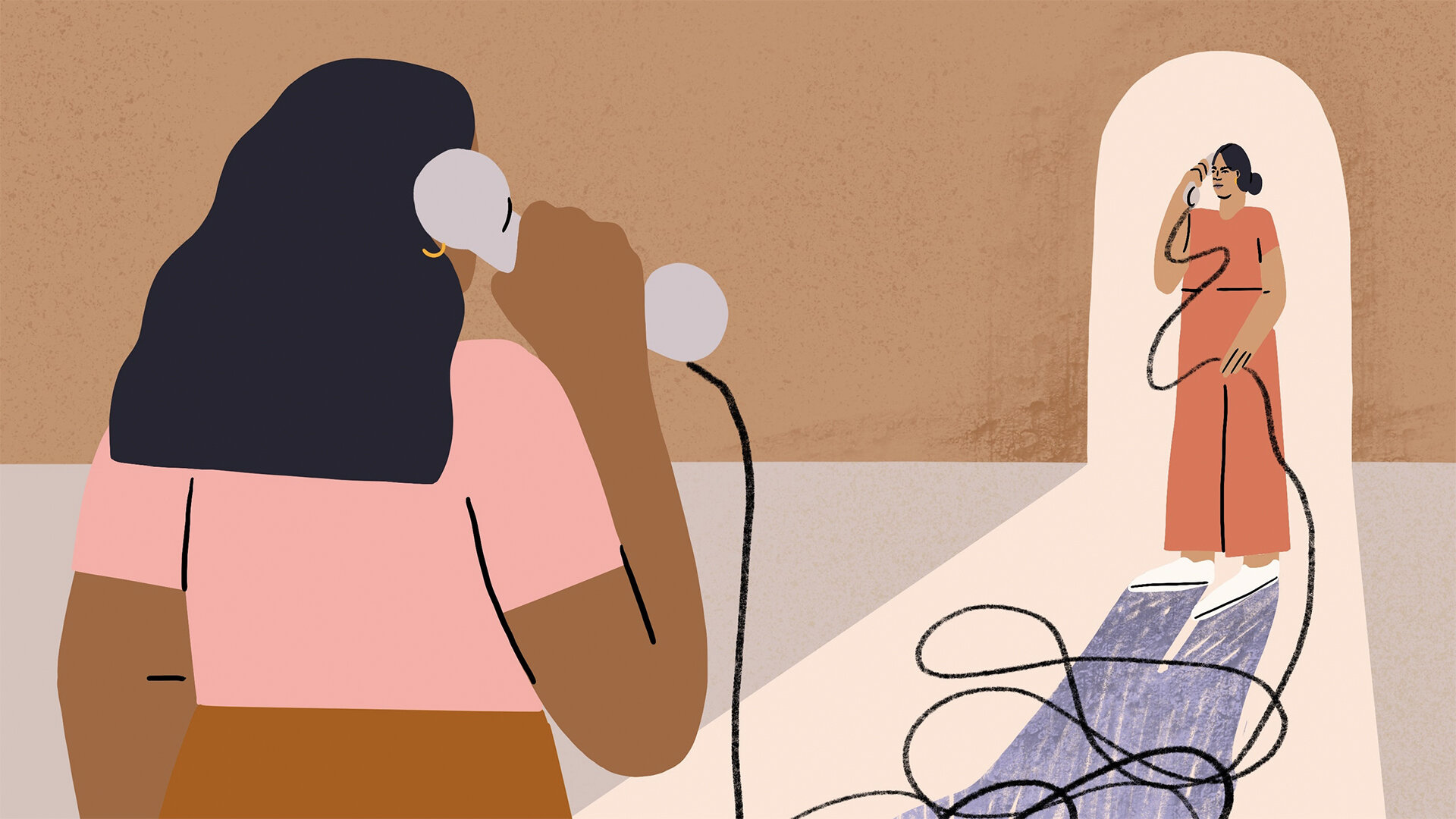
Few realise that behind the cliché of a ‘strict’ parent (the subject of so many teen movies and memes!), there actually lies a prolonged anxiety of the parents, sometimes present since the child’s birth. Approximately 80% of mothers worldwide suffer from postpartum depression. A longitudinal study from the UK, entitled “the Avon Longitudinal Study of Parents and Children” [1,2] shows that these mothers face difficulties in raising children, who in adolescence risk facing disorganised/disoriented attachment in relationships (they do not have a coherent “strategy” for dealing with difficult situations [3]), cognitive problems, or even depression.
The best-known type of ‘toxic parent’ acts on the basis of prohibitions and investigations. If in the first part of the child’s life the prohibitions are limited to respecting a strict and well-planned study schedule, as the child reaches adolescence, parents want to stop as many dangers as possible.
A strict parent often acts without having a pertinent justification (haven’t you heard “because I’m the adult and I know what’s best”?), without explaining exactly the cause of the danger they want to protect their children from. Family discussions often end with voices being raised and tempers being lost, or by exaggerating information intended to frighten the child and keep them away from temptations. From a young age they are not allowed to make mistakes, and if they do, the gravity of the consequences they must bear is highlighted and maximised. The world is presented to them as a very bad environment, where everything works on the basis of hidden interests.
Their need to know at all times what the child is doing and where they are inevitably leads to the child’s desire to hide and ‘invent’ various excuses, which makes closeness between the parties impossible.
© Stephanie DeAngelis
Regardless of the type of toxic parental relationship you are facing, it is very important to know that the behaviour you are witnessing is not your fault. Even if it’s difficult to resist parental pressure, lack (or excess!) of affection and the inability to bond with your parents, it’s important not to get caught in the middle.
The first step is always to realise that there is a problem. Then, you can try to address it directly with your parents, talking openly about what is bothering you and communicating your needs to them. If it seems that your parents are not listening or do not understand you, remember that there are ways to get outside support: for example, you can suggest to your parents participating in psychotherapy or family counselling sessions. After you have tried to solve the problem, if you still feel that you are not receiving support from your parents, or that they are forcing you to change your character, it may be better to try to distance yourself emotionally from them.
And if you as a parent feel your child is distant from you or you notice a fear of interaction, you can try to gradually change your behaviour and admit when you are wrong. This will not diminish your authority in front of them, but will contribute to strengthening an atmosphere of honesty and acceptance. Also, you can always ask for advice from friends who are parents themselves or from a qualified psychologist.
What about friends?
© Ruby Martin
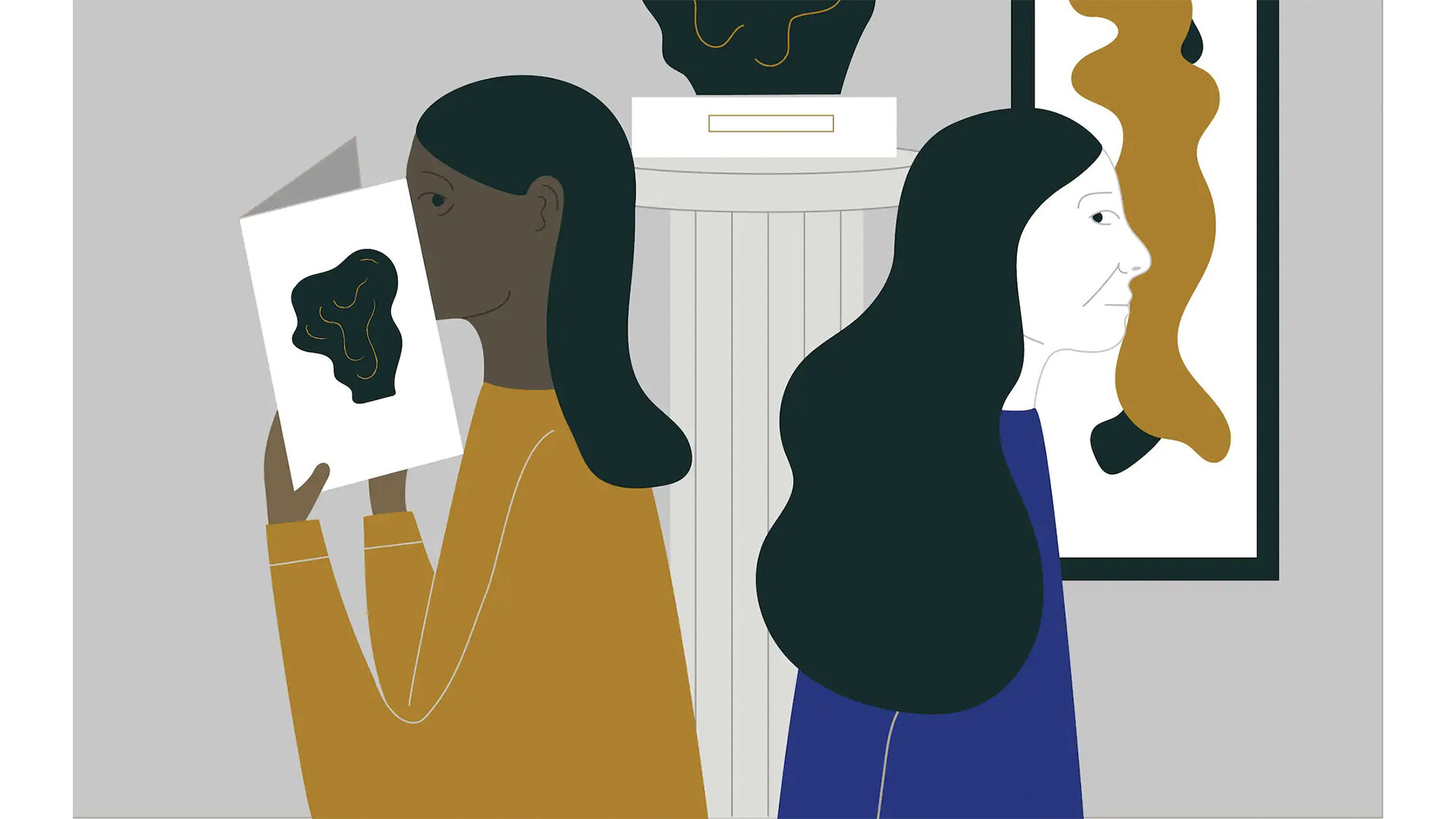
We turn to friends exactly when we feel we have no way to talk to our family. Sometimes, however, we realise that they are not exactly people we can trust enough. Depending on the level of closeness we have with them, we have so-called standards and expectations from them. Even if we have known them for a long time, they can prove to be of such a nature that they only cause us more suffering.
Whether the main subject in discussions is always a problem of theirs and there is never room for you to ask for advice too, or on the contrary, you are constantly reproached for burdening them with your needs, or your flaws and inferiority are often highlighted, all constitute red flags.
It is painful to give up a close friendship, because it involves many memories or can be associated with a period of maturation in your life. However, most of the time, if you feel that you are the only one investing emotionally in your bond, it is very possible that you are right.
Many people enter ‘good’ relationships with someone just to obtain various benefits. They don’t necessarily have a personal problem with you, but the fact that they do this is rather proof that they cannot maintain sincere friendships. There is also the case where you no longer share the same interests and, although it can be frustrating to desperately search for topics of conversation, it is best to look at the situation as a closed chapter.
Whatever the reason you decide to end an unhealthy friendship, it is essential to act rationally and be open about how you feel. Regardless of how upset you are, it is best not to react impulsively immediately after an argument and to allow time for a possible resolution of the situation. However, if the problems become irremediable and that relationship ends up causing you more unpleasantness than contributing positively to your life, the best option is to act firmly. You cannot ‘heal’ emotionally if you remain anchored in a toxic friendship – therefore, it is best to stop mutual hostility as early as possible.
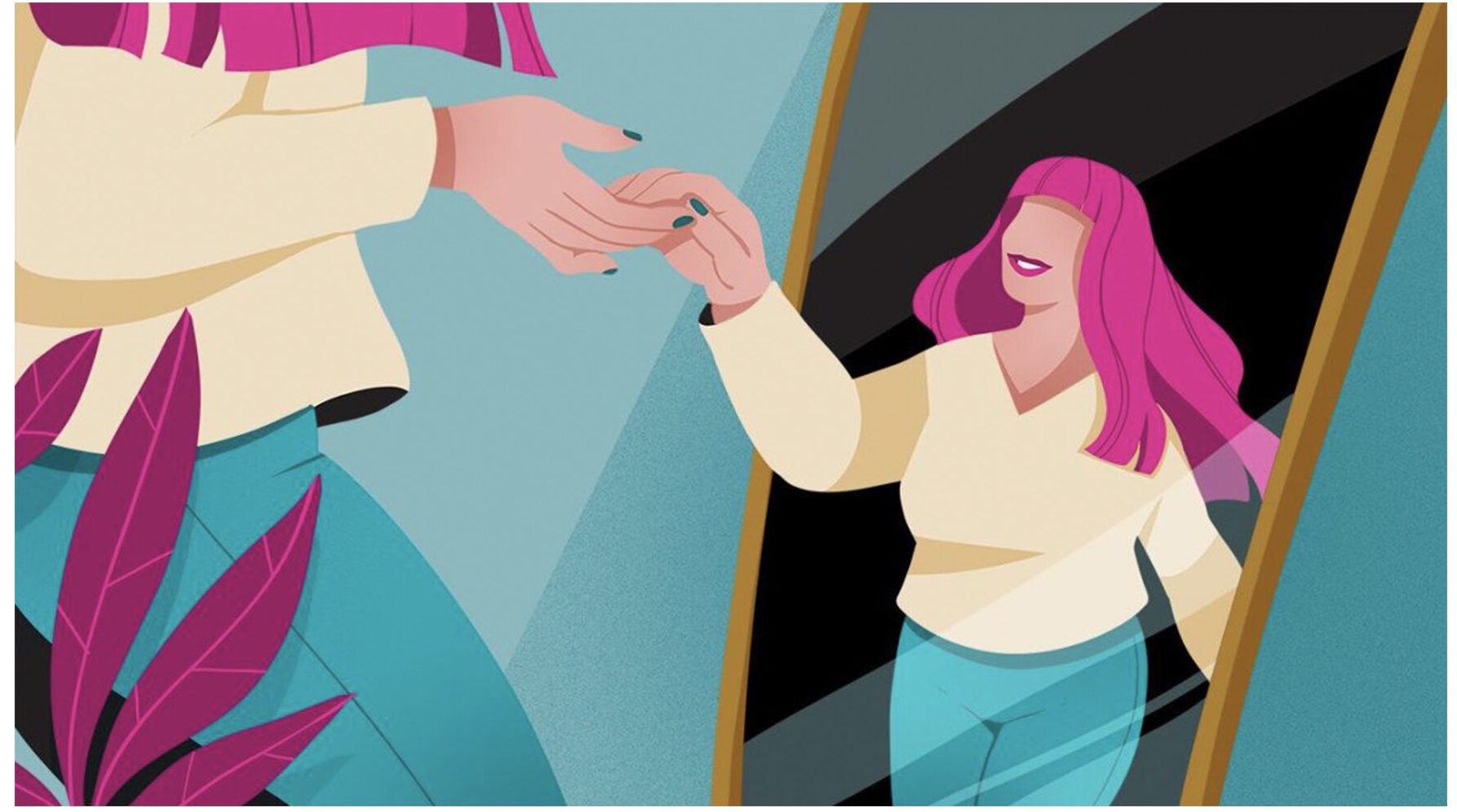
Even if you are in a difficult situation and have no one to turn to, remember that it’s okay to spend time on your own, if you don’t feel very close to parents or friends. It can be the best solution, giving you the opportunity to get to know yourself and learn to be patient with yourself.
© Healthline
Bibliography:
- „Postpartum Depression and Its Long-Term Effects on Children.” 15 Jun. 2018,
https://www.pharmacytimes.com/publications/issue/2018/june2018/patient-focus-postpartum-depression-and-its-longterm-effects-on-children - Netsi E, Pearson RM, Murray L, Cooper P, Craske MG, Stein A. Association of Persistent and Severe Postnatal Depression With Child Outcomes. JAMA Psychiatry. 2018;75(3):247–253. doi:10.1001/jamapsychiatry.2017.4363
- Lyons-Ruth and Jacobvitz (2008), “Attachment disorganisation: genetic factors, parenting contexts, and developmental transformation from infancy to adulthood”, Handbook of Attachment: Theory, Research and Clinical Applications, pp 666-697, Guilford.
Other resources:
About ”helicopter” parents: https://www.chihealth.com/en/about-us/press-room/publications/better-you/behavioral/helicopter-parenting.html
About toxic friendships: https://oradenet.salvaticopiii.ro/viata-ta-online/prietenii/am-probleme-cu-prietenii-ma-aflu-intr-o-relatie-toxica
How to break away from harmful relationships: https://www.youtube.com/watch?v=VDKOY0ZTDPI
What a ”healthy” childhood looks like: https://www.youtube.com/watch?v=hnWJpAMpEvo


